In retail, Christmas isn’t a holiday — it’s the make-or-break period. And sometimes the cost of asking permission is higher than the cost of being wrong.
Source: Adapted from a LinkedIn post by Simon Beard, founder of Culture Kings (reported $600M exit).
Caveat: I don’t advocate breaching rules or regulations. The point isn’t the rule-break. It’s the decision-making muscle behind it: a leader who actually did the maths on cost of inaction versus cost of being wrong.
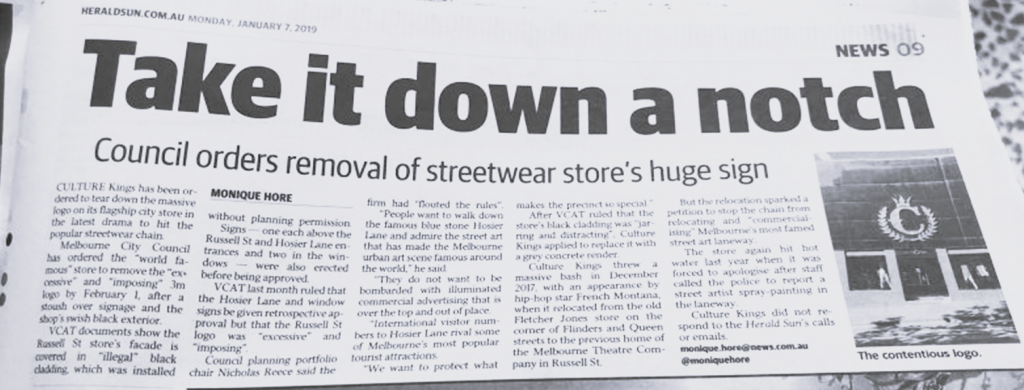
Culture Kings was fitting out its Melbourne flagship, racing to open before Christmas — the window where two-thirds of annual retail profit is made. The storefront design called for black aluminium panels. The council said no.
Most retailers would do the “right thing”. Redesign. Re-submit. Miss Christmas. Tell the board it was “outside our control.”
Beard ran a different calculation. The realistic downside was a fine — a known number. The cost of waiting — missing the Christmas trading window — would have been devastating. So he told the builders to install the panels anyway.
The store opened on time. By the time the council enforced a change two years later, it had turned over more than $20 million.
The interesting part is the framing: most leaders never run the second number — the cost of waiting. They see a risk of being wrong and stop there. The permission loop does the rest: the problem goes up the chain. Manager checks with their executive. Three weeks later the opportunity is missed — not because anyone said no, but because no one moved fast enough.
This drift is one of the patterns I unpack in The Art of Decision-Making.
Fast-paced decisions don’t need to be reckless. Speed is what you get when a leader has quantified both sides of the ledger — the realistic downside and the cost of waiting. It is almost never free. Usually, the business is paying dearly without realising.